
People love to argue about “authenticity” in UGC because the word means two different things at once.
To viewers, “authentic” means: a real person, a real purchase, a real opinion. The classic “my mom reviewing something she actually bought” vibe. No agenda. No script. Just a normal human sharing a normal moment.
But in the UGC world, that’s not what most brands are hiring for.
When a brand pays a creator, they’re not buying “documentary truth.” They’re buying believability, content that looks and feels like a real recommendation, while still being strategic: clear messaging, usable hooks, a problem-solution story, and footage that can actually run as an ad.
So the uncomfortable truth is simple:
UGC isn’t authentic. It’s designed to feel authentic.
Real UGC vs UGC creator content (clear distinction)
Let’s draw the line, because this is where most of the confusion comes from.
Real UGC is what happens when someone buys a product on their own, uses it, then posts because they genuinely feel like it. It’s messy, unpredictable, and sometimes not even helpful, but it’s real.
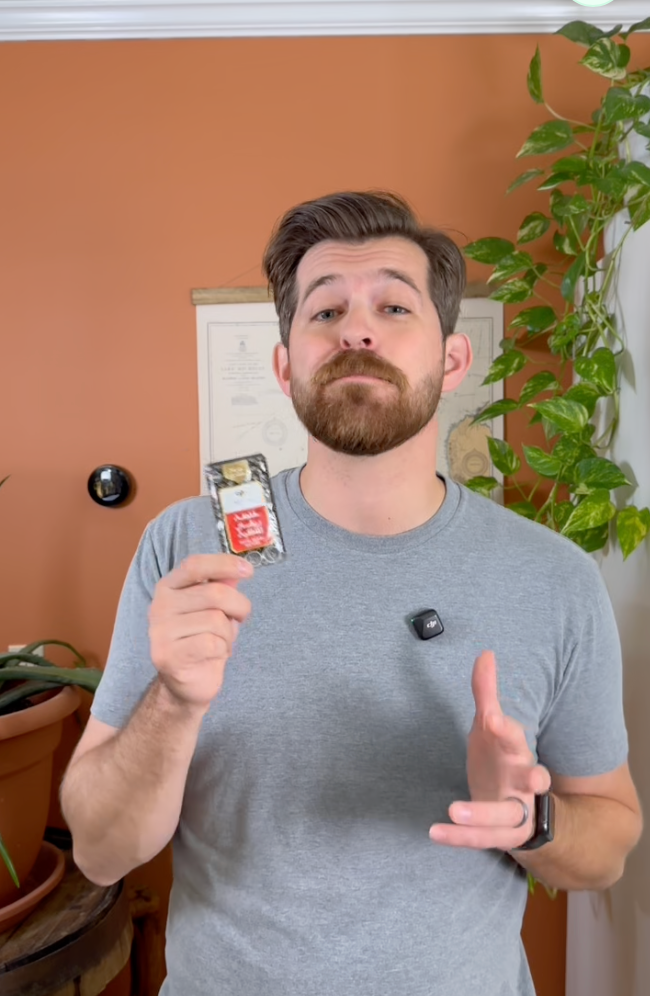
UGC creator content is different. You’re paid to recreate that same “real-life” feeling on purpose. You’re not pretending the brand didn’t brief you, you’re taking a brief and translating it into something that looks natural in the feed.
That’s why a good UGC creator is basically a mix of:
- a performer (comfortable on camera, knows how to deliver emotion)
- and a marketer (understands what the brand needs to communicate)
So the job isn’t to be “real.”
It’s to make it feel real, while still being useful for the brand.
What “feels authentic” actually means
Here’s the part most people miss: “authentic” isn’t a lack of editing. It’s a believable human moment.
In practice, UGC feels authentic when it includes:
- A real reaction: surprise, curiosity, relief, “wait… what?”, even mild skepticism.
- Specific details: not “this is amazing,” but what exactly is different (texture, fit, taste, result, ease, time saved).
- Normal-life visuals: lighting that looks like someone’s home, not a studio; angles that feel like a friend filmed it.
- A simple story arc: problem → try → what happened (even in 15 seconds).
- Human pacing: small pauses, imperfect phrasing, a bit of personality, not robotic lines.
So the goal isn’t “perfect.”
It’s credible. Clean enough to watch, human enough to trust.
The line brands can’t cross
Designing content to feel authentic is fine. Crossing into misleading isn’t.
UGC still needs to be honest about what’s true and what’s not. That means:
- No fake results (or exaggerated “before/after” claims you can’t prove)
- No fake testimonials (don’t imply you used it for months if you didn’t)
- No promises the product can’t support (especially health, money, or performance claims)
- No hiding the relationship when disclosure is required (platform rules vary, but transparency protects both sides)
The best UGC isn’t “trust me, bro.”
It’s: here’s what I tried, here’s what happened, and here’s who it’s actually for.
How to design “authentic-feeling” UGC
Start with a real moment.
Don’t open with “Hey guys!” and a perfect product beauty shot. Open with something that would naturally happen in someone’s day: the box on the table, you pulling it out, you trying it for the first time, or that small “wait…” moment when you notice something. Real life has friction, curiosity, little surprises, that’s what makes UGC believable. If the product has a standout feature (color, texture, size, sound, result), build the first seconds around discovering it, not announcing it.
Talk like you’d text a friend.
The fastest way to kill authenticity is to sound like a brochure. Use short lines. Plain words. A bit of “thinking out loud.” Instead of “This innovative formula delivers results,” say something like: “Okay… I didn’t expect it to feel like this,” or “I tried it because I was tired of ___.” You can still be structured, hook, problem, solution, proof — but the delivery should feel conversational, not rehearsed.
Keep it clean, not commercial.
Clean doesn’t mean studio. It means watchable. Natural lighting, a normal room, a tidy surface, framing that feels like a friend filmed it. Avoid the “ad set” look: perfect props, dramatic backlights, overly staged scenes. A simple rule: if it looks like it belongs in someone’s home, it’ll read as UGC. If it looks like it belongs on a billboard, it starts feeling like an ad — even if the words are “authentic.”
Make the message useful.
Believability goes up when the video answers real questions quickly. Viewers don’t just want vibes — they want clarity: what it is, who it’s for, and what changed after using it. That “what changed” can be small (less time, easier routine, smoother result, better taste, less mess). The more specific you are, the less it feels like marketing. Even one clear sentence can do it: “If you’re someone who ___, this fixes ___ because ___.”
Then keep the language simple. Talk like you’d talk to a friend — short sentences, normal words, one clear point at a time. You can still follow a script, but it shouldn’t sound scripted.
Visually, aim for clean and realistic. Natural light, normal angles, a setting that looks lived-in. Not messy, just not “commercial.”
Finally, make it useful. Viewers trust UGC when it answers basic questions fast: what it is, who it’s for, and what changed after using it.
Table of contents